CE Marking, Conformity and Technical Documentation
Codronic GmbH prepares the evidence for CE marking for manufacturers of machinery and industrial systems: risk assessment in accordance with EN ISO 12100, design and validation of the safety functions, technical documentation and instructions for use, through to the declaration of conformity, which the manufacturer signs. We review existing evidence against the requirements of the Machinery Regulation (EU) 2023/1230, which applies from January 20, 2027.


New EU Machinery Regulation (EU) 2023/1230
As of January 20, 2027, the EU Machinery Regulation (EU) 2023/1230 will become mandatory. It replaces the previous Machinery Directive and introduces new requirements regarding the obligations of economic operators, digital operating instructions, EU declarations of conformity, substantial modifications, cybersecurity, software, AI-based safety functions, and high-risk machinery.
The Machinery Regulation does not only affect traditional mechanical engineering. Relevant interfaces also exist in logistics, environmental and process engineering, as well as technical systems within the medical technology sector. Codronic guides companies through this structured transition. In doing so, we combine practical engineering expertise with a methodical and regulatorily sound approach. This results in traceable, robust, and practical conformity and risk documentation.

CE Marking for Your Machine: Services by Codronic GmbH
Codronic offers structured CE coordination, where we bundle requirements and verify documents. As part of the conformity assessment, we ensure that your products fulfill all EU directives and the new Machinery Regulation (EU) 2023/1230. We thoroughly examine formal specifications, operating manuals, and the safety of your systems to find legally compliant solutions for any open issues.
Our strength lies in the fusion of normative knowledge and expertise in product development and mechanical engineering. We evaluate technical properties alongside normative requirements precisely and efficiently. Our team of experts quickly finds solutions for your certification and documentation projects, ensuring your systems meet the highest standards and can be safely placed on the market.
Our article shows the CE marking process in seven steps.

Material Compliance: REACH, POPs and RoHS
For parts and assemblies, Codronic GmbH classifies substances under the REACH and POPs Regulations, discloses unresolved suspected cases and obtains supplier or manufacturer declarations from key suppliers during audits. For RoHS, it checks whether reliable compliance documentation is available for the installed components used in the CE-compliant machine, and assesses exemptions, for example for military applications.
Our article on suspected POPs cases shows the approach.
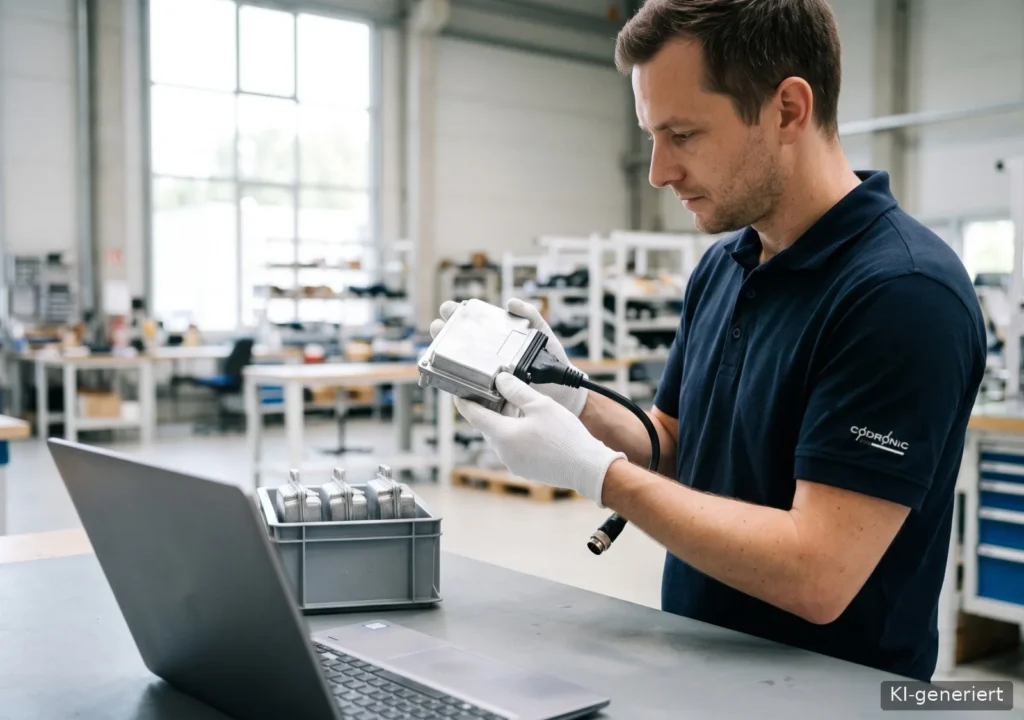
Machinery Safety
In collaboration with your development team, Codronic performs sound risk assessments according to the EN ISO 12100 procedure. Our certified safety engineers take over the targeted specification and design of all safety-related functions of your systems. In doing so, we rely precisely on current standards for Performance Level (PL) or Safety Integrity Level (SIL).
The subsequent validation of the control systems is carried out according to EN ISO 13849-2 or EN IEC 62061. A particular focus is currently on supporting the transition to the new EU Machinery Regulation 2023/1230. We prepare your networked systems for the increasing requirements in the areas of cybersecurity and software. With our comprehensive expertise in special-purpose machinery, we provide a compliant, robust, and future-proof implementation of your demanding projects.

Manuals and User Documentation
Codronic supports you in creating and optimizing your technical documentation according to current legal requirements. We perform detailed comparisons and supplement existing manuals regarding applicable standards. In doing so, we ensure that your operating instructions and handbooks always comply with the latest regulations. Our focus is on the precise preparation of all necessary information for the safe operation of your systems.
Through our expertise in special-purpose machinery, we provide seamless documentation. We also actively accompany you during the transition to the new European Machinery Regulation 2023/1230. Whether for classic mechanical engineering or highly specialized fields such as battery technology: we deliver legally compliant user documentation that convinces normatively and technically while prioritizing the safety of your users.

Dependability Management acc. to DIN EN 60300
To ensure high operational reliability, our team of experts supports you in implementing holistic dependability management across the entire system lifecycle.
Based on DIN EN 60300 (IEC 60300), we provide the targeted definition and verification of your specific reliability requirements, centering our technical analysis on the core parameters of reliability, availability, and maintainability (RAM). Through a thorough analysis of maintenance supportability and the required maintenance support, we achieve a significant optimization of the cumulative Life Cycle Costs (LCC) of your projects.
The continuous verification and validation (V&V) of all measures ensures a standard-compliant and robust realization of complex system architectures. Rely on our technological expertise for the future-proof and solution-oriented design of your sophisticated systems.

Verification in accordance with Bundeswehr, BAAINBw, and NATO standards
MIL-STD / Defense-Standard Documentation
System houses in the defense and aerospace industries face extensive technical and regulatory requirements. With Codronic, you do not receive standard documents, but tailor-made, auditable verification packages that can be seamlessly integrated into your certification and quality assurance systems – structured, compliant, and ready for audit.
Reliable technical documentation is only complete if it maps the requirements of the performance specification (Lastenheft) in a traceable, verifiable, and structured manner. Codronic offers specialized services for the analysis and evaluation of the documentary integrity of your systems – both during development and within the scope of reviews, preliminary inspections, or certification processes.

Our services include:
- Creation of architecture and system profiles according to NAFv4 for complex products and systems of the Bundeswehr.
- Interactive Electronic Technical Documentation (IETD) based on S1000D, including database-driven modularization for logistic information systems.
- Ergonomic assessments according to the Bundeswehr Ergonomics Manual (HdE) to evaluate human-machine interfaces and ergonomic suitability in military operations.
- System Safety and Risk Assessment according to national and international standards such as MIL-STD-882E or AEP-4754 Vol. VI.
- Environmental Impact Assessments (EIA/UVA) according to divisional regulation C1-2030/0-7001, considering military operational scenarios, materials, and decommissioning aspects.
- Creation of disposal concepts, including classification, recovery strategy, and take-back conditions.
-
Comparison of documented content with performance specification requirements.
-
Determination of the degree of documentary fulfillment (coverage analysis).
-
Identification of gaps, redundancies, or ambiguities.
-
Recommendations for supplementary documentation and structural improvement.
-
Documentation of results in an auditable analysis report.
This service is specifically aimed at system houses seeking to create a secure basis for verification towards BAAINBw, Bundeswehr, NATO, or OEMs – or those preparing for audits and certification procedures.
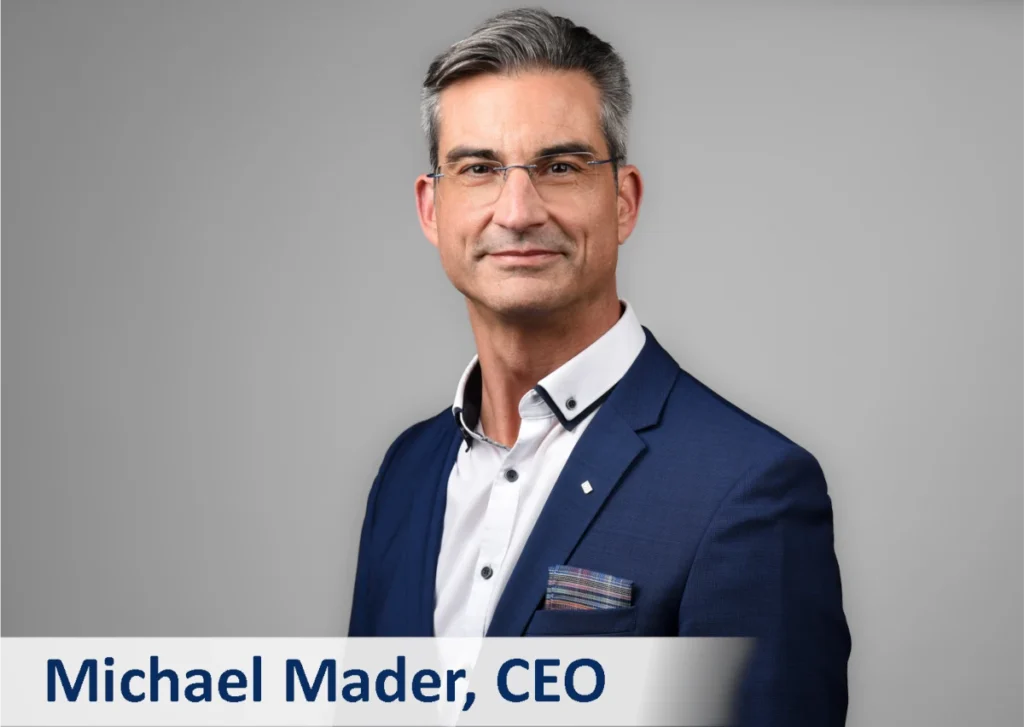

Your direct contact
Our team is here for you. We look forward to your inquiry.
FAQ
When is CE marking mandatory for machinery?
As soon as machinery is placed on the market in the European Economic Area for the first time, or when a modification constitutes a substantial modification, effectively creating a “new” machine. The legal bases include the Machinery Directive 2006/42/EC or, from January 20, 2027, the Machinery Regulation (EU) 2023/1230, as well as the German Product Safety Act.
Important: CE marking may only be affixed if the machinery or product falls within the scope of a relevant European directive or regulation. CE marking without a legal basis is not permitted and may be penalized as a regulatory offense.
Who is responsible for CE marking — the manufacturer or Codronic?
Legal responsibility always rests with the manufacturer, or the party placing the product on the market under its own name. Under EU law, the manufacturer must identify all relevant requirements, assess conformity, compile the technical documentation and sign the EU declaration of conformity. European Union Codronic supports you as an engineering partner throughout these steps, including the preparation of evidence and documentation.
Is there an “official” CE certification body?
No. There is no central EU authority that issues CE certificates. In many cases, manufacturers carry out the conformity assessment themselves. An independent third party, a notified body, is required only for certain higher-risk products. European Union
Which documents are included in the technical documentation for CE marking?
Typically, these include:
- Risk assessment (EN ISO 12100)
- Instructions for use and, where applicable, assembly instructions (DIN EN 82079-1, DIN EN ISO 20607)
- Circuit diagrams, drawings, strength calculations and test records
- Evidence of functional safety (EN ISO 13849, EN IEC 62061), where relevant
- EU declaration of conformity and, where applicable, EC type-examination certificate
The EU requires technical documentation and the declaration of conformity to be retained for at least 10 years. European Union
How long does a CE project take?
This depends heavily on the complexity, the maturity of the design and the availability of existing documentation. Following a joint initial review, we provide a transparent estimate of the time and effort required, including prioritization of quick wins and critical paths.
Does Codronic also support existing machinery and systems?
Yes. Typical tasks include assessing whether a conversion constitutes a “substantial modification”, updating the risk assessment, adapting the documentation and providing support during internal audits or discussions with authorities and technical experts.
Blog posts on our engineering projects
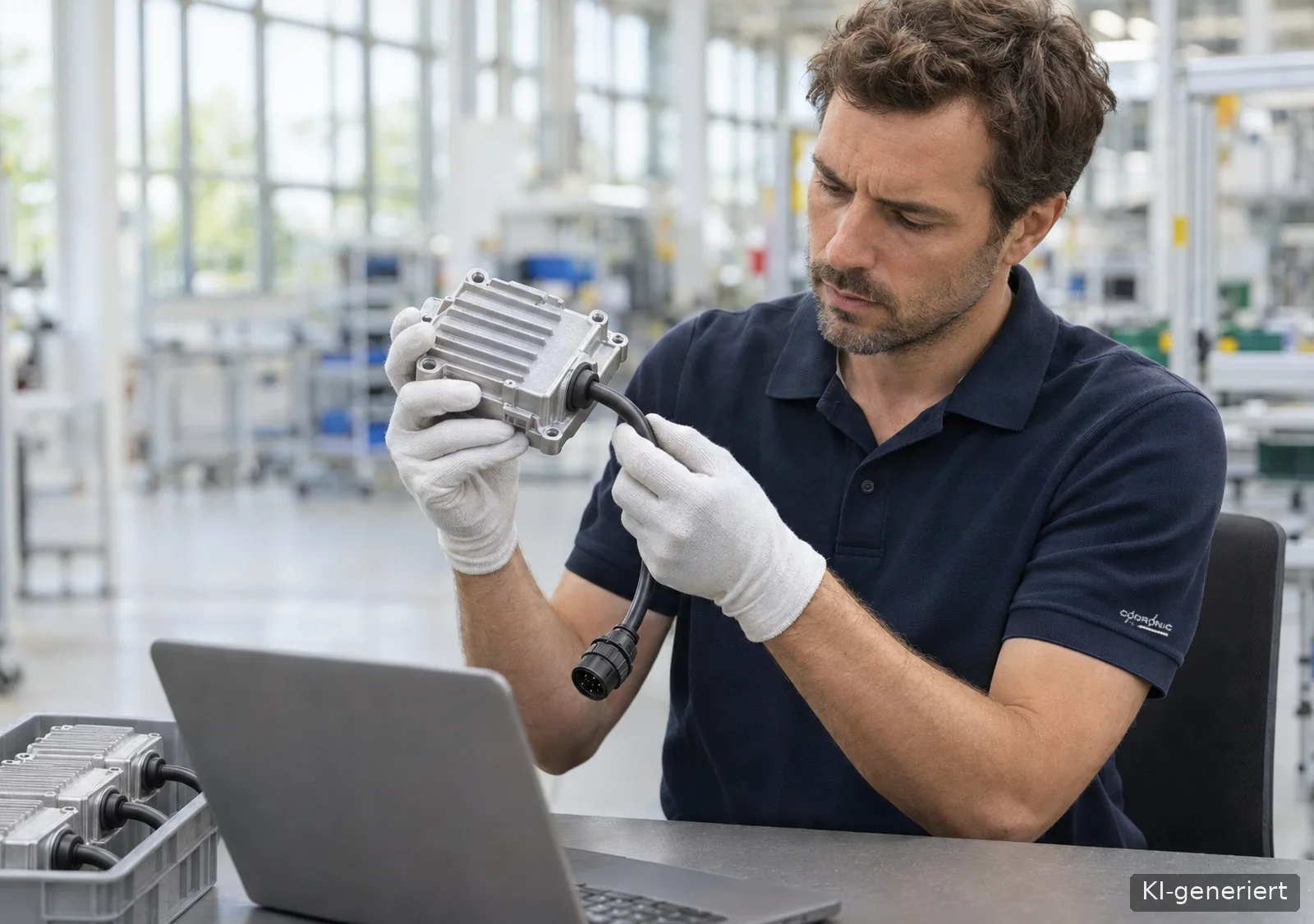
Suspected POPs Cases: How Manufacturers Find Banned Substances in the Supply Chain
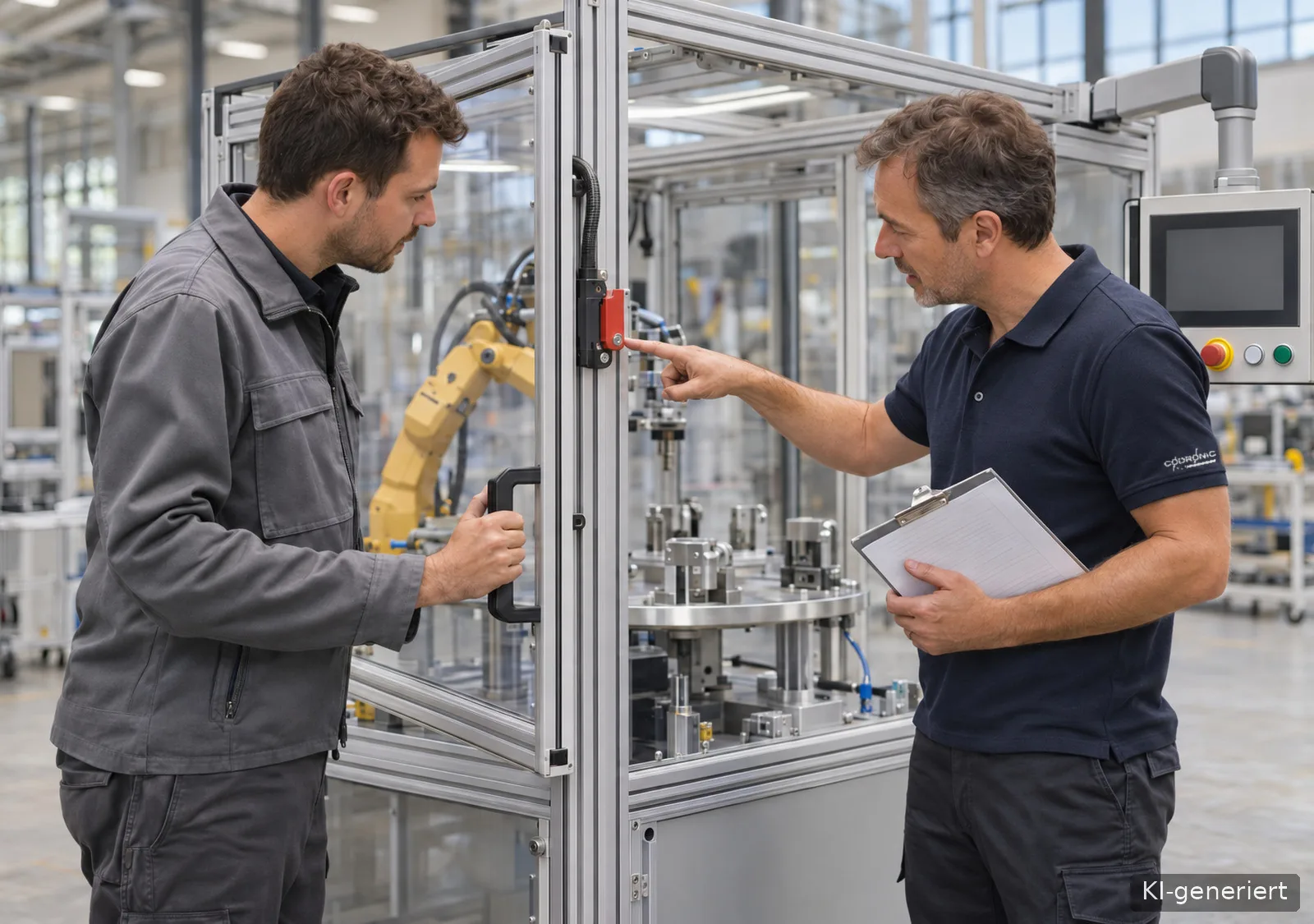
CE Marking for Machinery: Process, Obligations and What Changes in 2027

Fasteners – High-Tech in a Humble Guise

Environmental Impact Assessment EIA
UAVs in 2030
UAV Swarms
C-UAVs: Principles of Operation, and Classification